
By: Addis Insight,First Published,May 14, 2026
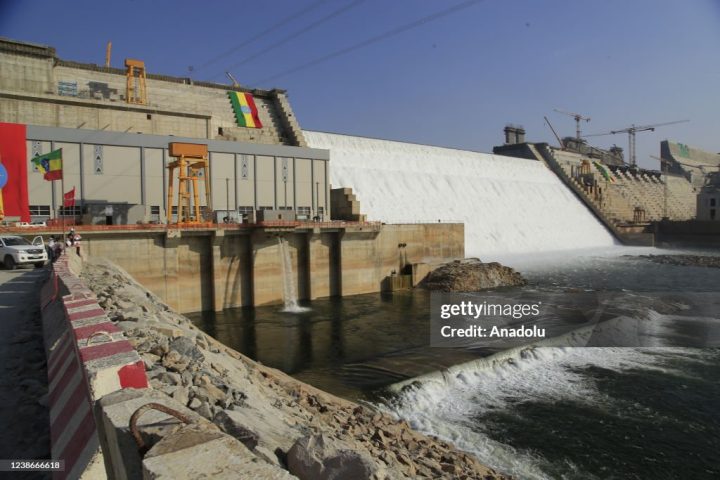
Italian construction titan Webuild has officially secured the prestigious Samoter Innovation Award 2026. The accolade recognizes the company’s groundbreaking work on the Grand Ethiopian Renaissance Dam (GERD), a project that is redefining the landscape of renewable energy in Africa.
Why the GERD Won Big
Presented at the Samoter International Construction Machinery Exhibition in Italy, the award celebrates more than just “building a wall.” The judges highlighted the GERD as a masterpiece of technological and engineering excellence.
“The recognition highlights the GERD not only for its complexity but for its transformative economic and social impact.” — Webuild Statement
By the Numbers: A Global Engineering Marvel
The GERD isn’t just big for Ethiopia; it’s a global heavyweight in the hydropower sector.
- Height: 170 meters (approx. 558 feet)
- Length: 1.8 kilometers
- Capacity: 5,150 Megawatts
- Annual Production: 15,700 Gigawatt-hours
- Clean Energy: Zero greenhouse gas emissions
Breaking World Records
Webuild’s path to the 2026 award was paved with milestones. One of the most staggering achievements mentioned was a world record set during construction: the pouring of 23,000 cubic meters of concrete within a single 24-hour window.
Beyond the Concrete: A Social Legacy
While the engineering is the headline, the “human” element of the project likely swayed the Samoter judges. The GERD project acted as a massive job and skills incubator:
- Local Impact: Over 25,000 workers participated, the vast majority being Ethiopian nationals who gained specialized technical expertise.
- Community Hub: The project site birthed a mini-city, including a dedicated hospital, schools, clinics, and new road networks.
The Future of Ethiopian Power
Once fully operational, the GERD is expected to double Ethiopia’s electricity generation capacity. This massive influx of renewable energy is positioned as the primary engine for the country’s industrial and social development for decades to come.
SOURCE