
Before We Teach Our Children Chinese, Let Us First Teach Them Ghana
By: Alice Frimpong Sarkodie,(MsSark LifeCoach),Director – Nobel Heights School
Mr. President,
Permit me to write to you, as an educator whose heart burns for the future of Ghana.
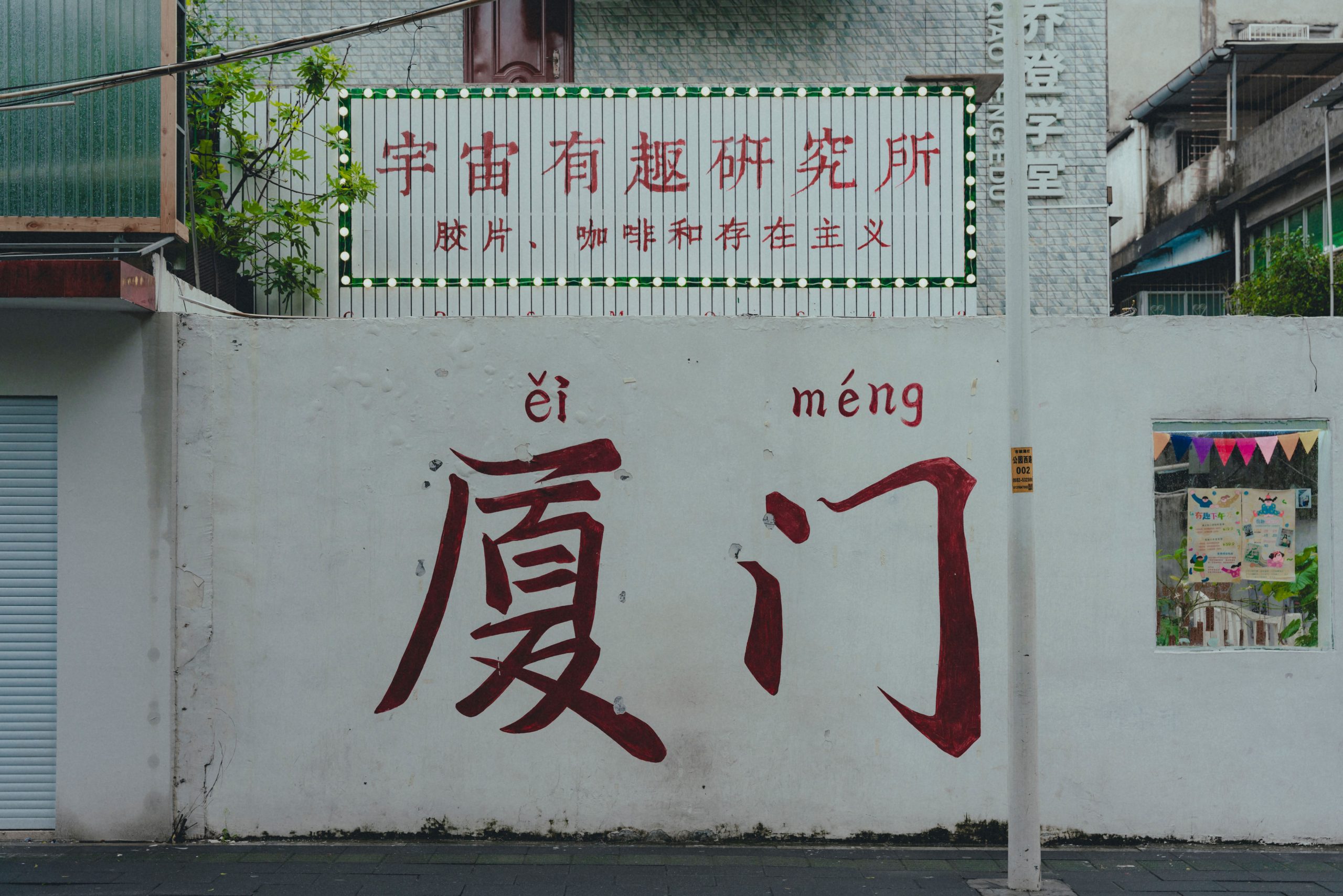
The proposal to introduce Chinese language into Ghana’s school curriculum has generated excitement in many circles. I understand why. China is one of the world’s great economic success stories, a major trading partner, and a nation from which we can learn valuable lessons in discipline, industrialization, infrastructure, and long-term planning.
This article is therefore not an argument against China but a for appeal for Ghana.
Education is more than a collection of subjects. It is a declaration of national priorities. Every lesson we teach tells our children what we believe is worth knowing, preserving, and pursuing.
My fear is not that our children will learn Chinese. My fear is that they will graduate knowing more about opportunities abroad than the possibilities beneath their own feet.
Curiosity follows exposure. The more we expose children to a language, the more they become curious about the people, culture, economy, and opportunities connected to it. There is nothing wrong with that. The problem arises when we fail to create equal curiosity about our own nation.
A few years ago, I met a European who described herself as a chocolate engineer.
I was stunned.
How is it that nations thousands of miles away produce chocolate engineers while many children in one of the world’s leading cocoa-producing countries are never introduced to the science, engineering, technology, and innovation behind cocoa?
How did we become exporters of raw materials but importers of expertise?
Our grandparents understood the cocoa tree in ways many of us no longer do. They knew how to use almost every part of it. Yet instead of studying, improving, and expanding that knowledge through science and innovation, we have gradually disconnected education from our own environment.
The same can be said of gold, palm, shea, cassava, bamboo, and countless other resources with enormous untapped potential.
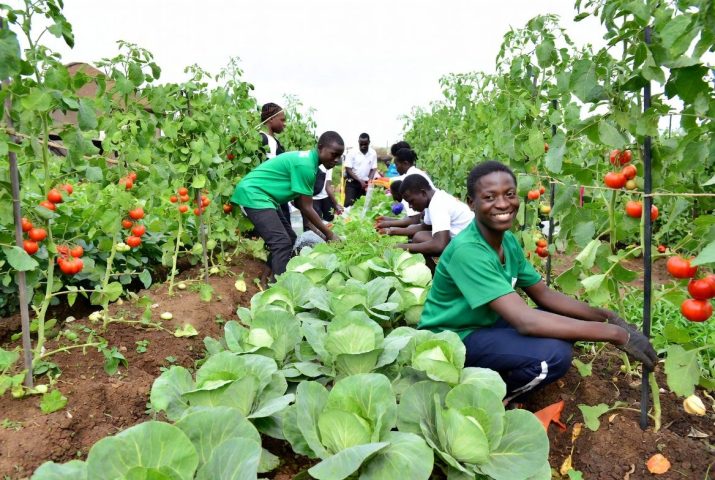
Mr. President, what if every Ghanaian child graduated with the ambition to become a cocoa engineer, a shea scientist, a bamboo architect, a food technologist, a mineral innovator, or an agricultural entrepreneur?
What if our classrooms inspired children to ask, “What can I build for Ghana?” before asking, “Where can I leave Ghana?”
This is not a rejection of globalization. I believe deeply in international cooperation. Humanity advances when nations learn from one another. But healthy cooperation is built on mutual contribution, not one-sided dependence.
Africa does not need isolation. Africa needs balance.
We should learn from China, trade with China, and partner with China. But we must never neglect the responsibility of helping our children first discover the wealth, wisdom, history, and opportunities of Ghana itself.
A nation that does not teach its children to value what it possesses will eventually depend on others to define its value.
Mr. President, before making Chinese language a national educational priority, I respectfully urge us to reflect on twenty questions of priority:
- Ghana has more urgent educational challenges.
- We have not fully developed our own knowledge systems.
- Ghanaian languages deserve greater investment.
- Education should begin with local relevance.
- Our natural resources remain underexplored educationally.
- We educate consumers more than creators.
- Curiosity follows exposure.
- Limited resources require strategic priorities.
- Our national thinkers deserve deeper study.
- Indigenous knowledge deserves scientific attention.
- Agriculture should become innovation.
- Ghana needs value-chain experts.
- National identity strengthens global engagement.
- Language is also cultural influence.
- Economic transformation requires home-grown innovation.
- Our curriculum should reflect Ghana’s future.
- Interdependence requires strength.
- Education should reduce dependency.
- Chinese can remain an elective for students who need it.
- Our greatest educational question is not what we should import, but what kind of education will help Ghana discover, develop, and contribute its unique gifts to humanity.
Mr. President, I do not ask that we reject the world.
I ask that we first rediscover ourselves.
For when Ghanaian children know the value of Ghana, they will engage the world not as dependents, but as contributors.
(MsSark LifeCoach)
Director – Nobel Heights School