

Introduction
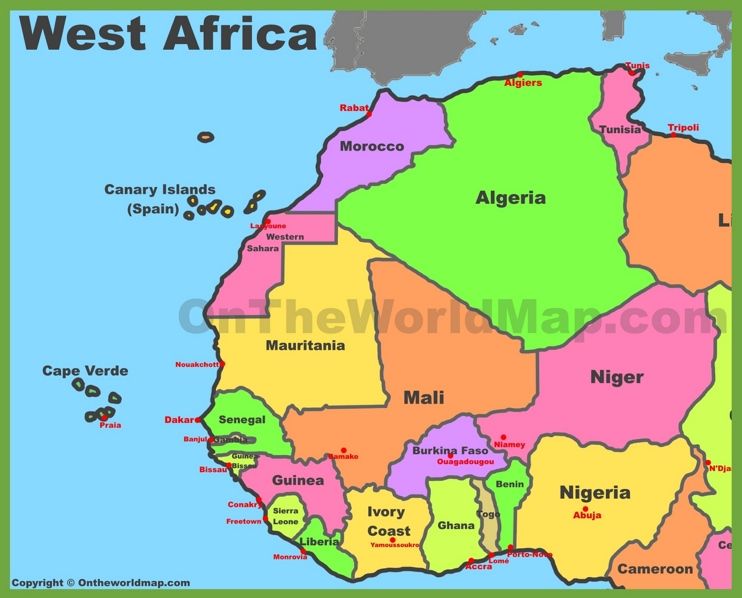
Coconuts constitute one of Ghana’s coastal zones invaluable natural resource endowments and its full economic potential has for decades been begging for being unlocked while the country’s East Asian compatriots have since been up to their game in that respect.
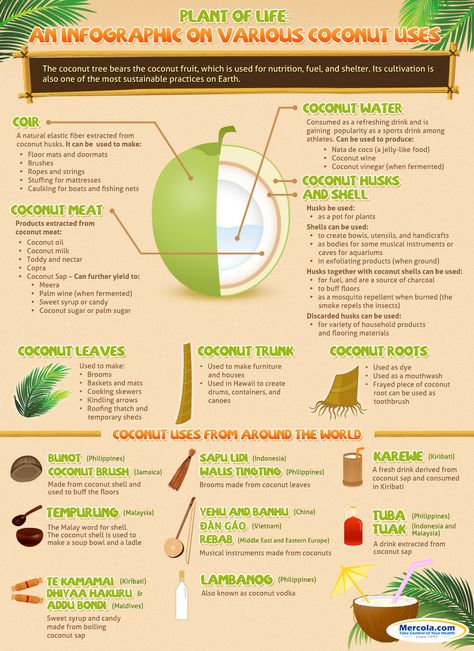
For decades coconut has been generally treated and still continues to treated in Ghana by many simply as a natural goodie on break open the shell- enjoy the refreshing water-albumen-throw away the husk and shell away as waste supposedly and without appreciating them as potential vital raw materials for other industries.
Within the context of circular economy principles application, both biodegradable and non-biodegradable waste ought to be treated as raw materials to be used to generate new products of value and benefit to humanity and not to be allowed to be a burden and to say the worse, pose as health and other hazards to humanity
Role of Coconut in the Green Transition
A resource use efficiency driven circular economy for sustainability unlike its wasteful and unsustainable linear economy counterpart, values coconut husks and shells as invaluable raw materials that could be harnessed for the creation of new industries to address unemployment, create wealth in order to drive socio-economic development, and to as well make invaluable inputs to the greening of both the Built and food production environments.
According to circular economy philosophy, natural resources ought to be utilized by humanity most responsibly, judiciously and efficiently for sustainable development and thus, wastefulness in any form be eschewed.
Ghana’s Coconut Industry Snapshot
Ghana is Africa’s leading coconut producer and ranks among the top 12 globally, with 544,773 tons produced in 2024.The industry is rapidly expanding, with government initiatives aiming to double land area to 180,000 hectares by 2028, tapping into a multibillion-dollar global market for oil, water, and fiber.
In comes Presidential Initiatives in Agriculture and Agribusiness
Key Potential and Growth Drivers
Production Leadership: Ghana produces nearly 24% of Africa’s total coconut output.
Expansion Target: Through the Coconut Value Chain Development Initiative, supported by the Ghana Export-Import Bank, 11 million high-yield seedlings are planned for distribution by 2028, targeting 180,000 hectares.
Export Revenue Boost: The sector is shifting from selling raw nuts to value-added products like coconut oil, cosmetics, and coir, targeting higher revenues than the current US$12 million annual earnings.
Economic Impact: The boom currently employs roughly 1.8 million people in Ghana, particularly in rural areas.
Strategic Location: Growing occurs along the coast (Western and Central regions), facilitating easy export access.
Challenges and Opportunities
Processing Capacity: While production is booming, there is a need to increase local processing capacity for value-added products to reduce reliance on exporting raw coconuts.
Industry Competition: Increased demand from buyers within the West African sub-region (particularly Nigeria) is driving up prices, causing competition for processors, but creating a “gold rush” for farmers
.Infrastructure Support: Support from initiatives like the National Tree Crop Development Authority (NTCDA) is crucial to modernize the sector and improve upon processing.Ghana aims to leverage its competitive advantage to boost its position in the global coconut market, targeting industrialization through processing, including the production of activated carbon from husks.
A Built Environment Perspective
As climate change impact reflected in rising heat and temperatures and devastating flooding havoc in cities across the globe those in hitherto naturally rainfall deficient desert Arabia being no exception, Ghana, Africa ought to rise up in taking pragmatic and measured action towards greening the built environment.
According to ResearchGate and Science Direct.com, coconut shells are used in construction primarily as a sustainable, low-cost partial replacement for conventional coarse aggregates (gravel/crushed stone) in lightweight concrete production.
They improve concrete’s weather resistance, offer good insulation, and reduce overall construction material costs, suitable for non-load-bearing structural members.
Key construction uses for coconut shells include:
Lightweight Aggregate in Concrete: Coconut shells (CS) can replace 5% to 20% of conventional coarse aggregates to produce lightweight concrete, which is useful in low-load applications, such as residential flooring, in-situ concrete pavements, and pre-cast concrete blocks.
Eco-Friendly Concrete Additive: They are used as a sustainable alternative to non-renewable natural stone aggregates, improving the insulation properties of concrete, including soundproofing.
Coconut Shell Ash (CSA) in Cement: When burnt, the ash can partially replace cement (usually up to 20%) to improve crystalline structures in concrete due to high silica and alumina content.
Structural Elements: Coconut shell concrete is suitable for producing lightweight precast items like floor tiles, roof tiles, and concrete hollow blocks.
Road Construction: They are used as additives to improve the quality of pavement construction materials.
Advantages:
Reduced Dead Weight: Coconut shell concrete is significantly lighter, reducing the load on the overall structure.
Cost-Efficient: It is an agricultural waste material, making it a cost-effective alternative to expensive commercial materials.
High Strength-to-Weight Ratio: Despite lower compressive strength than conventional concrete, it is adequate for non-load-bearing applications.
Limitations:
Lower Strength: Higher percentages of coconut shell replacement can decrease concrete compressive strength.
Replacement Percentage: It is typically limited to partial replacement to maintain structural integrity.
Conclusion
Within the context of Ghana’s aim at industrialization through processing of coconuts to include the production of activated carbon from husks, the country should as well factor in the production of built environment related products from coconut husk to maximize benefits from the coconut industry.
An Eco-Enviro News Africa Feature
Edited by Mohammed A. Abu
Visit us for the next feature on coconut husk from a circularity pespective as it relates to agriculture under our circular economy features series-www.ecoenvironews.com