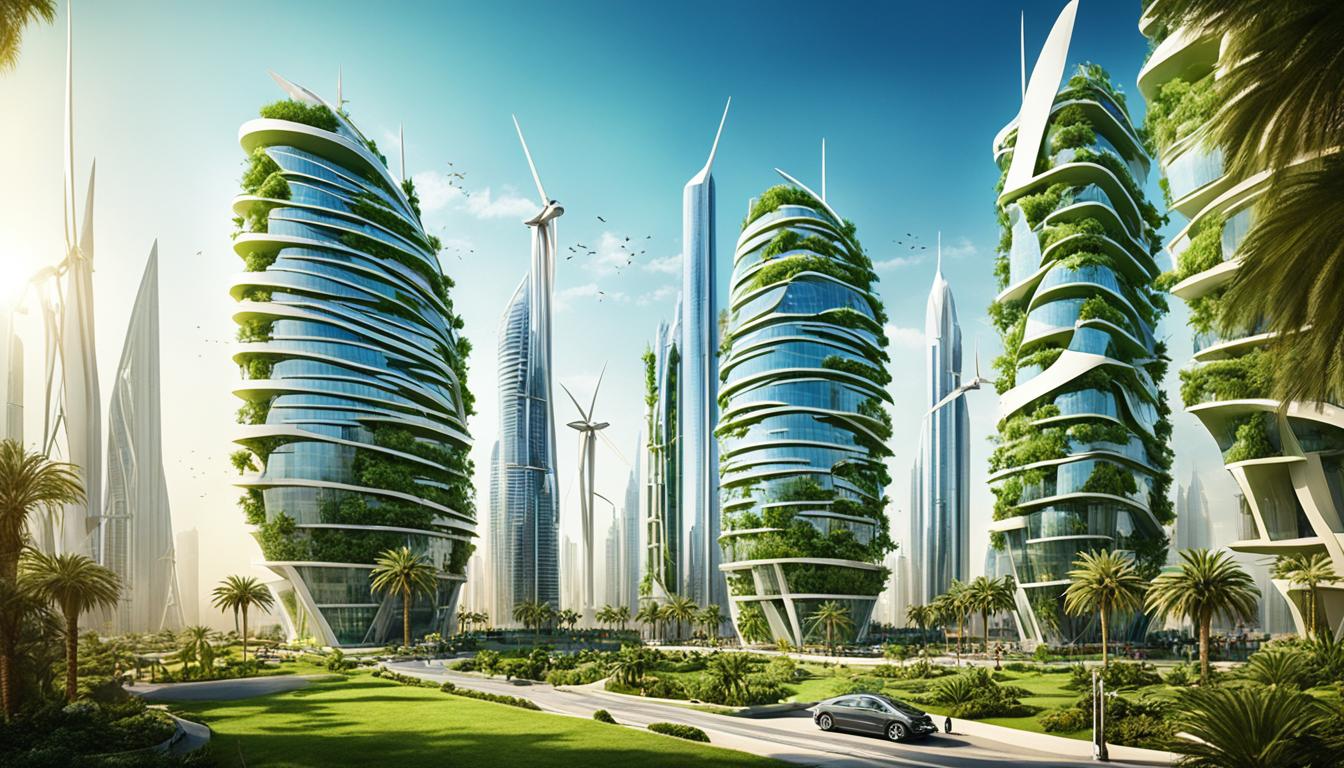

As a real estate developer and consultant with extensive experience across major African markets, particularly Ghana, I have consistently highlighted the sector’s strong profitability. However, there is a critical dimension of real estate investment in Ghana that industry players rarely disclose. Until now, I have not addressed it directly. But today, I take a deliberate step to bring this issue to the attention of diaspora investors in particular and all new market entrants, being fully aware that such transparency may be met with resistance from fellow industry participants. Nonetheless, I…
Category: Opinion Piece
Explainer-How did Ivory Coast and Ghana’s cocoa sales crisis come about?
By Reuters Commodities First Published 02/26/2026, 11:00 AM,Updated 02/26/2026, 11:48 AM By May Angel The producers of half the world’s cocoa – Ivory Coast and Ghana – have struggled to sell beans and pay farmers this year due to ample global harvests, lower cocoa prices and falling demand from chocolate makers for the ingredient. Why did the two countries fare worse than rival producers and what are they doing to address the problem? HOW DID WE GET HERE? Cocoa is not freely traded in Ivory Coast and Ghana. Rather, the…
Sit Up or Face National Disruption: The Urgent Call for a Skilled Electrical Workforce
About Author: Awal Sakib Mohammed, President, Ghana Electrical Contractors Association (GECA),Chairman for the Skills Body for “Electrical, Electronics and Automation” under the CTVET (Contact details: +233243864726 Email: awalcahsant@gmail.com) Introduction The Urgent Call for a Skilled Electrical Workforce Electricity is the heartbeat of modern life. Every home, hospital, school, and industry depends on it. Yet behind the switches and sockets lies a truth we can no longer ignore: our electrical networks are dilapidated, our systems outdated, and our workforce dangerously underprepared. Road Contractors’ Vital Role: Their Dilemma Electrical contractors are the…
Dagbon maiden Home Coming event to shape the Kingdom’s Dev’t discourse
By: Mohammed A. Abu The first edition of the Dagbon Home Coming 2025, is scheduled to take place from the 19th-27th December.in Yendi,the seat of Kingship of the Dagbon Kingdom, Northern Region of the West African nation of Ghana. The weeklong event is being organized by the Dagbon Forum(DF),a Civil Society Organisation and Advocacy group, in collaboration with the Centre for National Culture and the Ghana Tourism Authority and various media partners. Being held under the theme, “One Dagbon, One Vision: Advancing Dagbon’s Development Together”, and sub-theme,” Reignite,Re-Enforce,Rebuild,” the event…
The Theory:The Private War became the World War-(By Alice Frimpong Sarkodie)
A Philosophical and Psychological Argument for Global Congruence Every war begins as a whisper in a home. Humanity’s collapse in dignity, integrity, and peace did not start on battlefields. It started in bedrooms, dining rooms, and living rooms — in the silent negotiations of love, in the unspoken hierarchies of marriage, and in the mis-education of children who learned the wrong lessons about power, fear, love, and self-worth. 1. Philosophically: The First Government is the Family Every nation is simply a scaled-up version of the family. Every president imitates a…
Ghana’s Ghollywood: A Pillar of African Unity and Nollywood’s Strategic Partner-(By:Dr Jamezany James)
About Author:Cultural Diplomat,ECOWAS West African Youth Ambassador,Head,Azania Filmmakers Association (pan-african) Introduction As a front‑line advocate for African film integration and a FESTAC Africa Festival Ambassador with 2025 edition held in Ghana in september, I’ve witnessed firsthand severally the power of cinema and culture to unite the continent. Amb.Dr.Jamezany James Ghana’s film industry—affectionately known as *Ghollywood*—has become a beacon of Pan‑Africanism, echoing the vision of Dr. Kwame Nkrumah, the father of Pan‑Africanism. By strategically leveraging Nigeria’s Nollywood, Ghana has turned its creative spark into a catalyst for regional cooperation, cultural pride,…
Why Ghanaian Parents Must Prepare Their Children for the Jobs of 2030-By(Yakubu Lantam Abdul-Jabar),
In a classroom in Accra, Kumasi,Tamale, or a village near Kpandai and Salaga, a child is memorising notes for a job that does not yet exist in the Ghanaian economy. By 2030, the country will need hundreds of thousands of new roles to power a digital economy, fight climate collapse, and serve a population projected to hit 40 million. The World Economic Forum, McKinsey, and Deloitte warn that half of today’s jobs will be transformed or gone. If parents keep pushing only WASSCE certificates and government desk jobs, their children…
Drinking From Poisoned Well,The Manufactured Thirst: A Call to Human Contentment and Freedom
Author: Alice Frimpong Sarkodie, Director: Nobel Heights School MsSark Lifecoach Exec. Sec. Women’s League Platform Co-Founder: Women Leaders International There is a silent sickness running through the world; a thirst that is never quenched. It creeps through nations, whispers through advertising screens, and feeds upon the hearts of both the powerful and the powerless. It is the thirst that convinces the full they are starving, the clothed they are naked, the safe they are insecure. It is the most refined form of control ever crafted: the manufacture of discontent. The…
AI in Africa: 5 issues that must be tackled for digital equality
First Published,September 25,The Conversation Author-Rachel Adams Honorary Research Fellow of The Ethics Lab, University of Cape Town If it’s steered correctly, artificial intelligence (AI) has the potential to accelerate development. It can drive breakthroughs in agriculture. It can expand access to healthcare and education. It can boost financial inclusion and strengthen democratic participation. But without deliberate action, the AI “revolution” risks deepening inequality more than it will expand opportunity. As a scholar of the history and future of AI, I’ve written about the dangers of AI widening global inequality. There’s an urgent need…
Rethinking Public-Private Partnerships for Africa’s Trade Future (By Ludovic Thanay)
About Author: Ludovic Thanay, Senior Vice President Sales, Webb Fontaine (https://WebbFontaine.com). Africa stands at a turning point. Home to nearly a fifth of the world’s population but responsible for less than 3% of global trade, the continent continues to punch below its weight. The reasons are well documented: weak infrastructure, fragmented policies, and slow adoption of digital systems. The real challenge is not only to bridge the divide but to design a model of trade that reflects Africa’s own realities and ambitions. Public-private partnerships (PPPs), when built on trust and…