
For combatting poverty, unemployment, meeting the SDGs
Story: Mohammed A. Abu
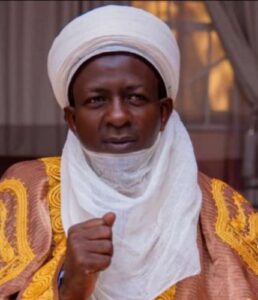
Accra/Ing. Muhammad Lawal Maidoki (Sadaukin Sakkwato), National Chairman, Azawon, Deputy Secretary General, of the World Zakat and Waqf Forum, has made a clarion call for the revitalization of the two non-interest social financing tools of Zakat (the poor rate) and Waqf(endowment) and their alignment with national development plans, the SDGs, and ESG frameworks.
The call is being made against the background of UNICEF Nigeria Child’s 2025 report that states that, 18.3M children are out of school,2.2m unvaccinated,4.9M need urgent humanitarian assistance and Nigeria ranks number 2, in global climate risk to children.
He made the call in his presentation on the topic, “Revitalizing Zakat and Waqf: Strategic Pathways to Poverty Alleviation and Sustainable Development” during the 7th Quarterly Public Lecture convened on 13th September,2026 by the West Africa Regional Office of the International Institute of Islamic Thought (IIIT).
Zakat (“the poor rate”)
As against the general description of Zakat by many as a tax, that is, “the poor rate” or the obligation to allocate 2.5 percent of one’s surplus income to be given to the poor annually, Ing Muhammed contends, it is not a tax but rather it is for the purification of the giver’s wealth.
Zakat he said, is a yearly reset button for inequality in society the restorative purpose of which, is undeniable by all even though, scholars, he notes, may differ on its precise legal and spiritual meanings. It is the social floor, he intimates, that provides basic needs, emergency support, food, shelter and essential welfare, protection from destitution, restoring dignity and minimum livelihood.
Chain reaction: Zakat Ing. Muhammad undersores, cleanses society, triggers peace which brings food security and economic development
Waqf (Endowment)-Perpertual Investment
While zakat feeds the people today, waqf on its part Ing. Muhammed notes, is the development engine in terms of provision of productive assets, capital investment education, health, infrastructure, enterprise, employment and long-term intergenerational impact.
The five Waqf pillars
Agro Waqf: For poverty alleviation Ing Muhammad said, using an Agro-Waqf tool, every local government could put 10,000 hectares that can produce food, jobs and sustainable income, an Education waqf could address the issue of Nigeria’s 18.8 million out of school, dilapidated structures and unfunded scholarships call for an endowed scholarship,
Health Waqf: for funding clinics, hospitals, pharmacies, medical equipment, medical outreaches, medicine, free care and ambulances can be sustained by Waqf
Climate Tree Waqf: One million economic trees per local government per annum to mitigate climate risk
Orphan & IDPs Welfare Waqf: Home empowerment programmes, and skills acquisition for orphans and internally displaced persons
The challenges
Despite the invaluable role zakat and waqf can play in addressing poverty alleviation, the real sector financing gap with particular reference to SME financing to the benefit of the gross national economy, Ing Muhammed notes, a number of challenges militate against it. They include, lack of awareness-the public does not know what zakat and waqf can achieve at scale, Lack of understanding-where awareness exist, he notes, the mechanics and potential is still poorly understood, Weak Law-existing legal frameworks for waqf and fragile and poorly enforced, weak buy-in from leaders,stakeholders,ulamah and lawyers are not efficiently engaged and no national policy or structure-unlike Hajj and fasting, zakat,waqf he notes, lack an equivalent national policy and institutional structure.
Recommendations
Against this background, Ing Muhammad therefore recommended that, stakeholders intensify advocacy and public awareness programmes, people embark on waqf projects and programmes at all levels,deploy digital technology responsibly to widen reach and build trust, embark on deliberate sustained social media campaigns on zakat and waqf,Unversities and tertiary institutions to take special interest in seminars, research and workshops, extend waqf into maternal and child health(MCH) and health education.