
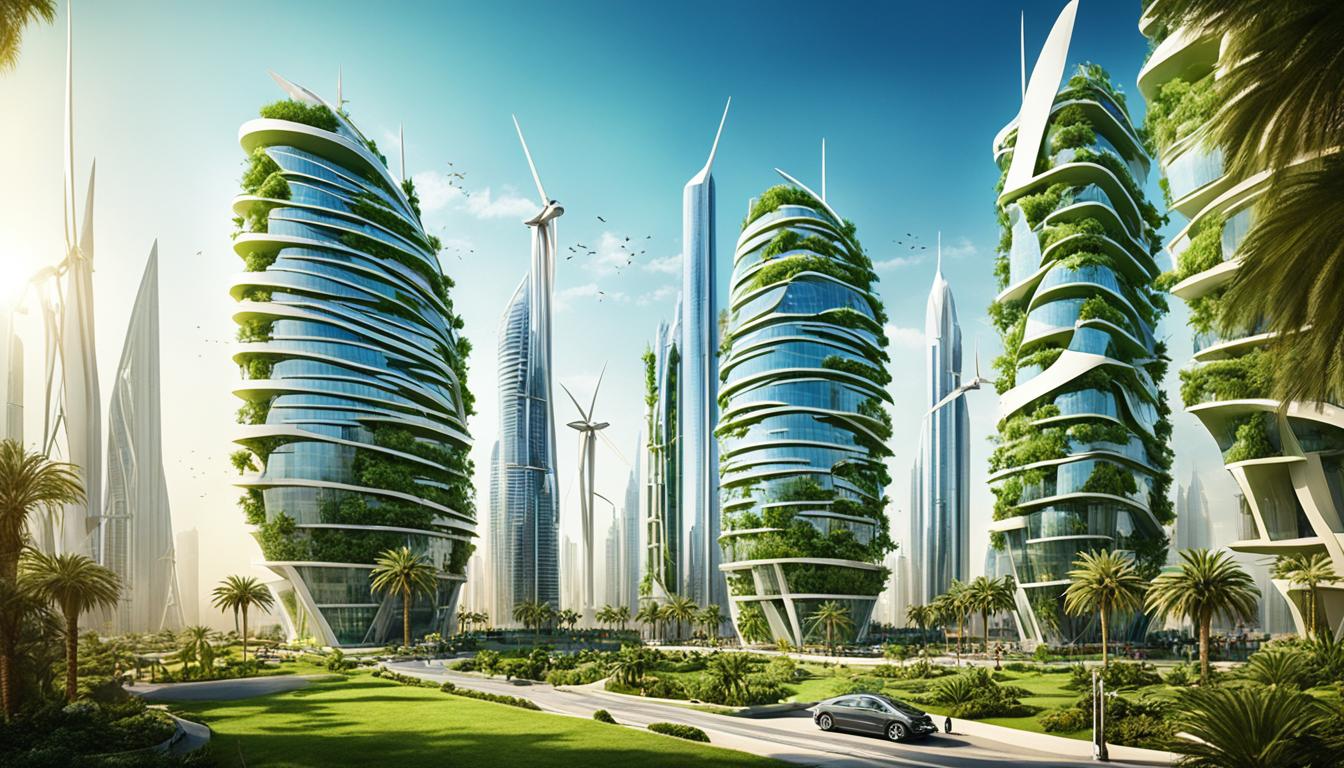

The numbers are striking. The MEA was the only region in the world to record an increase in demand for green and sustainable buildings in 2025, and that momentum has carried into 2026. While global green construction is slowing, the Middle East is moving in the opposite direction. Widespread adoption of green building standards is now transforming the GCC, alongside innovative approaches that strengthen climate resilience. This isn’t a trend anymore. It’s the new operating reality.
Why Concrete Is Losing Its Grip
The economics have shifted. Cement production is carbon-intensive, and in a region where climate commitments are now embedded in policy and energy costs continue climbing, the financial case for traditional concrete has cracked. Low-carbon materials are now moving beyond early adoption toward broader standardisation. This isn’t projection—it’s happening now.
The UAE is at a turning point, with sustainable construction materials gaining attention and beginning to see widespread adoption. What was niche two years ago is mainstream today. Developers who hesitated are now scrambling to catch up. Those who invested early in understanding these materials have a competitive advantage that’s becoming harder to ignore.
The regulatory environment has tightened considerably. Sustainability is now embedded into interior specifications and design standards across the region. It’s not optional. It’s baseline. Developers aren’t adopting sustainable materials because they want to—though many do. They’re adopting them because they have to.
What’s Available Right Now
Low-carbon concrete has moved from a specialty product to a standard offering. With growing demand for low-carbon building solutions, calcined clay is now a key ingredient in more and more cement formulations in 2026. The supply chain is real. Production is scaling. Prices are coming down.
Beyond concrete, new materials are now showing up on actual projects. Circular strategies, including recycling concrete and steel, modular construction, and designing for disassembly, are cutting emissions and waste across the region. These aren’t theoretical exercises anymore—they’re being implemented on major developments right now.
SOURCE
Alpin Limted Newsletter
Photo:Credit-kotook.ae