

In the aftermath of Ghana’s 2016 general elections, I recall a conversation with a former schoolmate who was convinced that the New Patriotic Party’s overwhelming victory signaled the political death of the National Democratic Congress. According to him, the NDC would not return to power for at least a generation. I disagreed then, and time has since proven why.
What many politicians and their supporters often misunderstand is that electoral victory, no matter how historic, is not a definitive measure of governing success. Rather, it is often a reflection of how effectively a party performed in opposition. Elections are as much about rejecting the incumbent as they are about embracing the alternative.
The 2016 outcome was less a blanket endorsement of the incoming administration and more a verdict on the outgoing one. By extension, the unprecedented victory of the NDC, especially in the parliamentary elections in 2024 should be interpreted in the same light: as evidence of effective opposition, not yet of successful governance. The true test of leadership of the NDC government will come in 2028, when the electorate evaluates performance, not promises.
There is a fundamental difference between the language of opposition and that of government. Opposition parties campaign on what they will do; they offer vision, critique, and hope. Governing parties, however, must speak in terms of what they have done. They are judged not by rhetoric, but by results. Confusing these two phases is where many political actors begin to miscalculate their standing with the public.
History shows that the process by which governments lose power is remarkably consistent. It often begins with overwhelming confidence; sometimes bordering on arrogance, after a strong electoral mandate. Gradually, dissenting voices are dismissed, particularly those from independent-minded individuals who may not align with the dominant political narrative. Expertise becomes politicized, and appointments are mistaken for competence.
It is not uncommon to see individuals suddenly assume authority over complex sectors simply because they hold office. A junior public/civil servant becomes a District Chief Executive and, overnight, is treated, and treats themselves as an authority on rural development, often brushing aside the insights of practitioners who have spent decades in that field. This is not only dangerous; it is counterproductive.
Such tendencies feed into a broader culture of groupthink, where alternative perspectives are seen as threats rather than contributions. Over time, this leads to policy blind spots, poor decision-making, and a growing disconnect between leadership and the lived realities of citizens. The result is predictable: public dissatisfaction and eventual electoral defeat.
Another troubling dimension is the tendency among some politicians to assume that every citizen who engages them is seeking personal favor. This reflects a patronage mindset that undermines genuine civic participation. Not everyone reaches out for personal gain. Some individuals are self-made, independent, and motivated purely by a desire to contribute to national development. When such voices are ignored or misunderstood, governments lose access to valuable insight and goodwill.
The lesson here is both simple and profound: political humility is essential. Electoral victory should inspire reflection, not complacency. It should open the door to broader consultation, not narrower thinking. Leaders must remain grounded, listen actively, and recognize that holding power is a responsibility continuously evaluated by the people.
In the end, winning an election is only the beginning. The real challenge lies in governing effectively, inclusively, and with a clear understanding that the electorate’s patience is not infinite. The verdict on success is never delivered at the moment of victory; it is rendered years later, at the ballot box.
I come in peace.
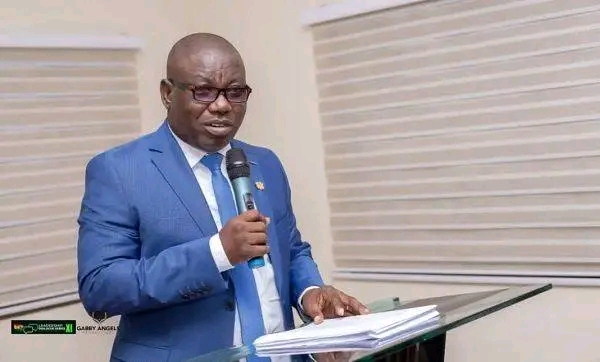
Author: Director,Institute for Interdesciplinary Research
University for Development Studies(UDS),Tamale,N/R.
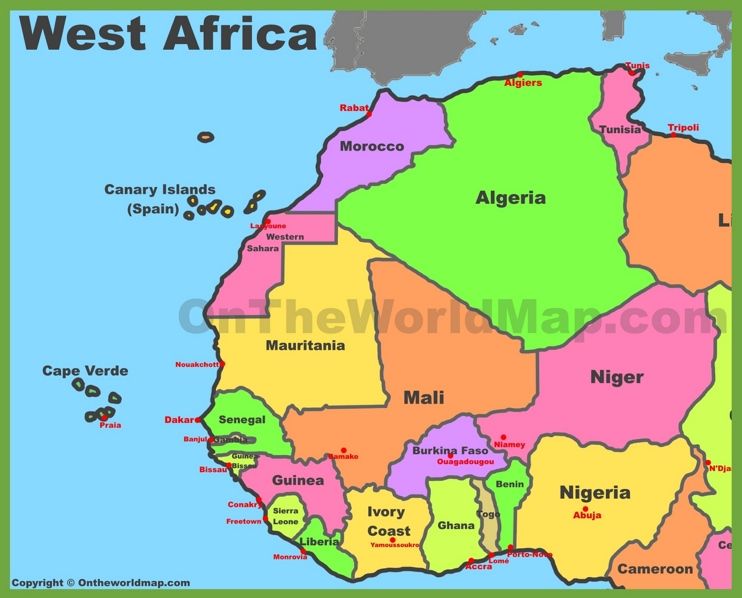
Photo:(Credit Pinterest/On The WorldMap.com)
Disclaimer: Opinions and views expressed by all our contributing writers are solely theirs and doesn’t necessarily represent the official position of the Eco-Enviro News Africa magazine
.