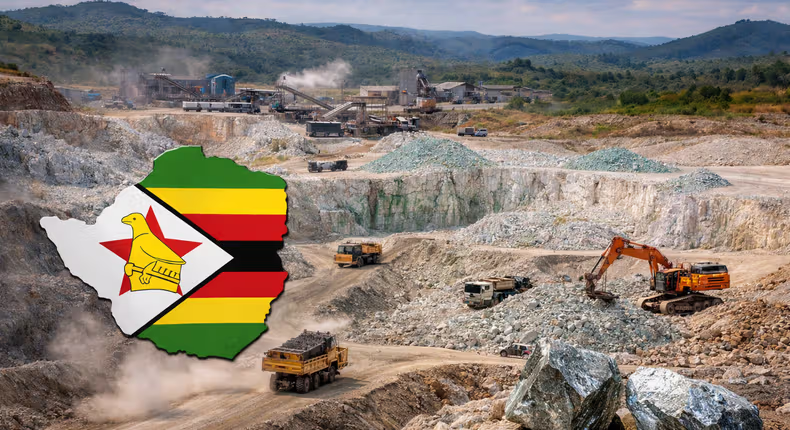


ZIMBABWE’S gold industry is on a strong upward trajectory, with output and export earnings surging sharply as favourable global prices and expansion projects position the sector to generate about US$5 billion in export receipts this year.
Last year, the yellow metal, which is Zimbabwe’s largest single export earner, generated US$4.6 billion.
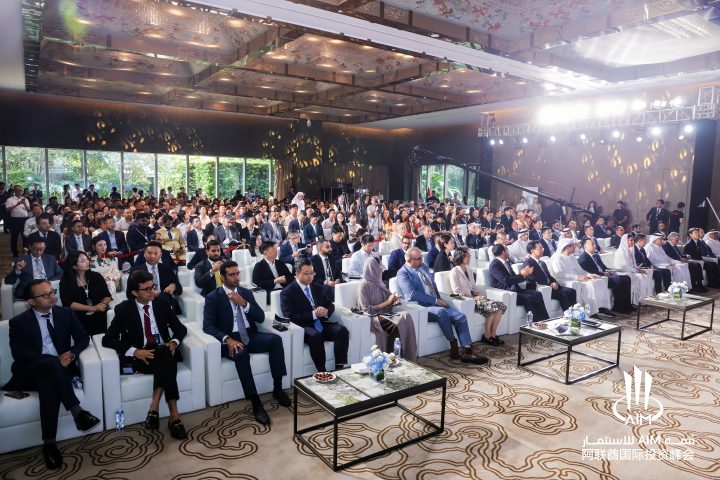
Speaking at the Chamber of Mines of Zimbabwe annual conference in Victoria Falls, Gold Producers Association of Zimbabwe president Mr Qubeka Nkomo said the industry had regained strong growth momentum, underpinned by record-high gold prices that have strengthened viability and expanded production across the sector.
“The gold industry has gathered its weakened growth momentum underpinned by fair gold prices that have hit all time peaks over the past four months plus,” he said.
Mr Nkomo said market conditions remained firmly positive, creating an opportunity for the sector to expand its contribution to national development.
“Market conditions for the gold industry remain bullish. We are excited by that, providing an opportunity for the gold industry to grow and maximise its contribution to the socio-economic development of Zimbabwe,” he said.
The surge in performance has already translated into massive gains in production and export earnings.
“In 2025, gold output increased to a peak of 50,6 tonnes, up from 38,5 tonnes in 2024, which is 31 percent up, underpinned by firming prices and ongoing expansion activities across the gold sector,” said Mr Nkomo.
He said export earnings also rose sharply, reflecting both higher output and strong global prices.
“Gold export earnings surged to US$4,6 billion in 2025, up from US$2,5 billion in 2024,” Mr Nkomo said.
He said gold had now become the backbone of Zimbabwe’s mineral exports and a major pillar of national foreign currency inflows.
“Gold exports, as already indicated, accounted for 54 percent of mineral exports and 44 percent of aggregate national exports.”
Looking ahead, Mr Nkomo said the sector was expected to maintain its strong growth trajectory into 2026, supported by sustained prices and expansion projects across the country.
“In the outlook for 2026, the favourable market conditions for gold are expected to persist, with gold output anticipated to surpass 55 tonnes and gold exports projected to reach US$5 billion,” he said.
Mr Nkomo said medium to long-term prospects remained positive, driven by new investments and the revival of closed mines.
“The medium to long-term prospects for the gold industry are on the upside, with favourable prices expected to persist and ongoing expansion projects, as well as efforts to revive gold-closed mines, such as Red Wing in Penalonga and Mazowe Mine, will result in increased gold output as projects ramp up production,” he said, adding that additional investments were emerging across the sector, signalling growing investor confidence in Zimbabwe’s gold industry.
However, Mr Nkomo said, the sector’s growth could only be fully realised if key structural constraints were addressed, including power supply, foreign currency shortages and payment delays.
“Most gold producers that are expanding their operations continue to report that they are facing forex shortages to meet their operations and spending on capital equipment,” he said.
Mr Nkomo expressed concern over delays in payments for the surrender portion of export proceeds, warning that they were affecting operational viability.
“Some gold producers have been reporting that they have been facing delays in the payment of the ZiG equivalent of the surrender portion of their export proceeds.
“These delays are causing viability and operational challenges, as the producers will be running their businesses on discounted cash flows.”
Currently, large-scale mining exporters are required to retain 70 percent of their foreign currency proceeds, surrendering the remaining 30 percent to the Reserve Bank of Zimbabwe (RBZ) at the official interbank exchange rate.
Mr Nkomo added that power supply challenges, high costs and financing constraints were also weighing on expansion efforts.
“Unscheduled power outages, as you can imagine, result in production stoppages and output losses,” he said.
Mr Nkomo said despite the challenges, the industry remained confident of strong growth ahead, provided the operating environment was improved to unlock capital and sustain expansion.
“So in summary, the prospects for the gold industry are positive and the industry is expected to grow and maximise its contribution to the economy,” he said.
Meanwhile, the Government has licensed a second gold refinery expected to begin operations in Bulawayo next year.
Before the licencing of the new gold refinery owned by Better Brands, the country had Fidelity Gold Refinery (FGR) as the sole buyer of the yellow metal.
The operationalisation of the new refinery is expected to ease pressure on FGR
SOURCE
HERALDONLINE,ZIMBABWE