
……As Continent’s population hits 2.5billion,says OPEC
From now until 2050, the Organization of the Petroleum Exporting Countries (OPEC) forecasts an increase in global primary energy demand from the current 312 million-barrels-of-oil-equivalent-per-day (mboe/d) to nearly 383 mboe/d in 2050 – an increase of around 23% over the 25-year period, with growth almost entirely coming from developing countries, including Africa.
In its 20th edition of the World Oil Outlook, released in 2026, OPEC included a section dedicated to understanding Africa’s long-term energy role, demographic trajectory, and investment needs, due to the continent’s projected future population growth, increasing from just over 1.5 billion people in 2025 to nearly 2.5 billion by 2050.
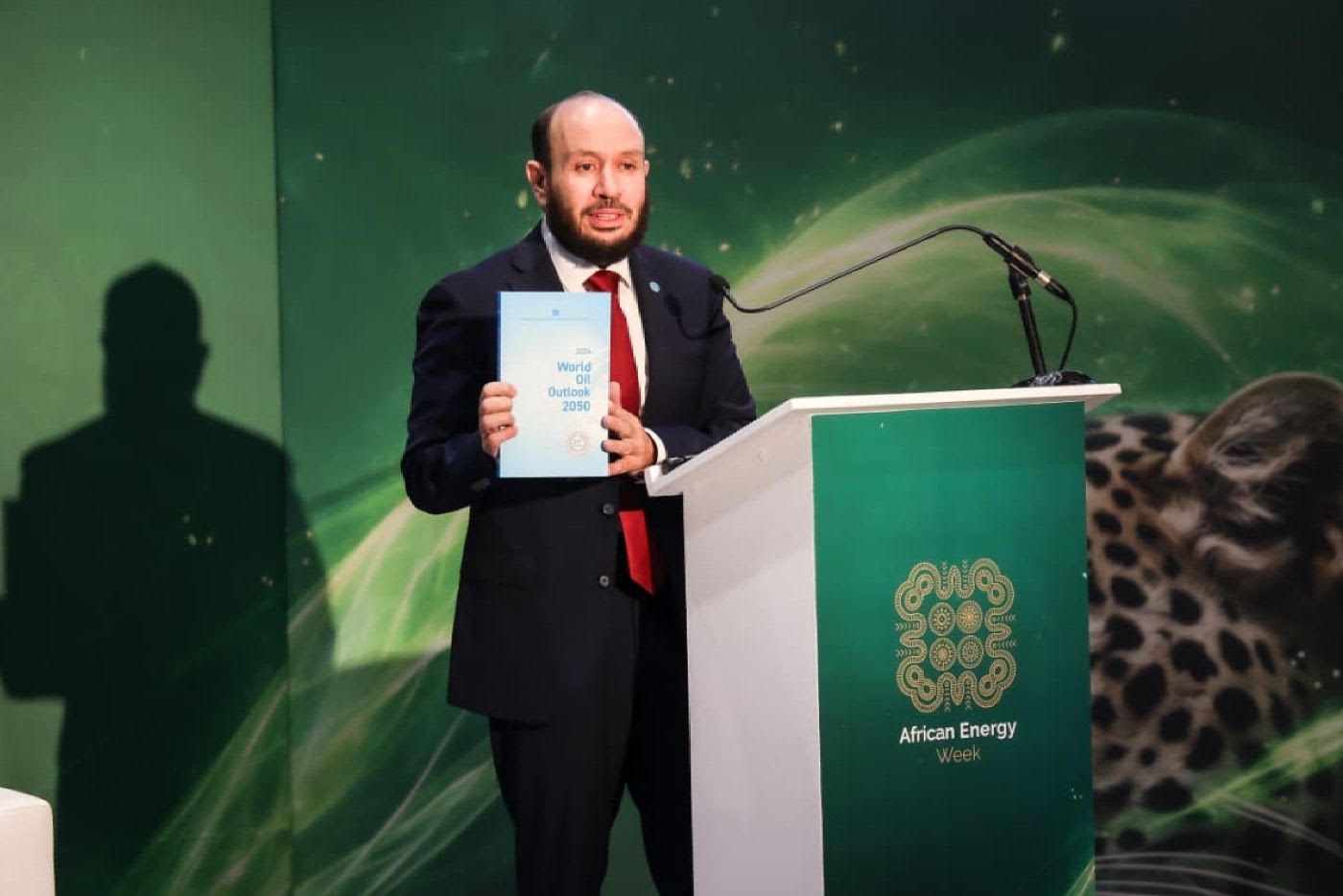
Speaking at African Energy Week 2026 in Cape Town, Dr. Abderrezak Benyoucef, Head of the Energy Studies Department at OPEC said all sectors of African energy demand is expected to grow from now until 2050.
He said African oil demand is projected to nearly double from 4.9 million barrels per day (mb/d) in 2025 to 9.2 mb/d by 2050 – an increase of roughly 88% driven by rapid population growth, urbanisation, and industrial expansion – with the transport sector accounting for the largest share of this growth. This sector will drive nearly 60% of this demand increase over the period, with other demand being driven by petrochemicals, other industry and electricity generation, he said.
Meanwhile, Africa’s natural gas demand is expected to double, with demand for renewables, including hydro, wind, solar and biomass also showing strong growth, increasing by 4 mboe/d over the period – with biomass accounting for the majority of this demand. Benyoucef said coal demand will increase only marginally, while nuclear demand remains limited.
On a global scale, total electricity generation is expected to increase from around 32,000 terawatt hours (TWh) in 2025 to around 59,500 TWh in 2050, supported by demand growth in the residential/commercial sector, industry, transport and data centres. Benyoucef said that the largest increase in the generation mix is projected for wind and solar, expanding from around 5,400 TWh in 2025 to around 26,000 TWh in 2050.
SOURCE
Distributed by APO Group on behalf of African Energy Chamber